

How To Build A Better, Simpler Morning Routine
Creating a Morning Routine That Works
Having a morning routine doesn’t mean you have to get up at the crack of dawn or workout for an hour before the sun even comes up. You don’t need to have a long list of tasks before you sit down for breakfast. The hardest routines to actually stick with are usually the ones that look the best on paper.
The right morning routine is the one you can stick to to prepare you for the day and start you off on the right foot. Your morning routine should make your commute easier, not add to it. Your morning routine should start with your needs.
What Does a Good Morning Routine Look Like?
A good morning routine consists of a list of tasks to perform in the morning that are predictable. The best part about your routine is that you don’t have to make any decisions before leaving the house because you already have your routine.
The tasks that you perform in your routine can be anything as long as it has you ready to start your day.
Design Your Morning Routine Around Your Actual Time
How you design your routine should be based on your time and your needs. For example, a person who takes the 7:30 A.M. train has a different routine from someone who takes the 9:30 A.M. train. A parent who has kids to get ready in the morning has a completely different routine from someone who lives alone. There is no perfect one size fits all routine.
Work with the reality of your situation. If you actually have 30 minutes before you really have to leave in the morning, you have 30 minutes, and it is OK. It is far better to have a shorter routine that you can actually do consistently as opposed to having a lengthy routine that will most likely crumble and fall.
Waking Up Early Doesn’t Solve Everything
While more time in the morning is achieved by setting your morning alarm earlier, having a better morning goes deeper than that. Increasing your morning alarm by an hour, only to lose it to your sleep, is not worth the trade. More often than not, it will leave you feeling worse, and with no return on the time investment. The key is having an effective morning routine.
Figure Out Why Your Mornings Are Unproductive
One reason why most people find their mornings to be unproductive is that there is no goal that they are working towards. Having a non-demanding activity that you enjoy before everyone else begins their day not only makes mornings productive, but can give you motivation to get started. It can be a breakfast, a quiet time, a short walk, reading, etc. (as long as it is you enjoy it) If you have a routine that you do for yourself, it does not matter what everybody else thinks of it.
Avoid Phone-Based Morning Activities
Adults usually start their day by checking their phones at the end of the night. They’re doomed to check one notification that will most likely lead them to social media, check their emails, messages, and start browsing the internet. The first activity for the day is never productive and almost always results in a wasted day.
It’s reasonable to suggest that a phone stays away from the bedroom during the night, but for most it means checking their phone after they get dressed, drinking and eating, and seeing what they need to accomplish for the day. Putting off checking your first batch of notifications can also put a positive spin on the day.
Focus on the Basics
The first activity should not engage the brain too much. The first activity can be the last activity as long as it is done in a sequence. Waking up, brushing your teeth, and working out becomes easy to get done.
Conducting a large number of activities looks unproductive when it can be easily simplified. Changing the routine to make less decisions in the morning starts the night before. This can be adapted to always knowing the location of your keys, for example, picking the same location to place them so you never have to waste time finding them.
Keep It Simple
A glass of water after hours of no hydration is perfectly acceptable to kickstart your day; overcomplicating it with elaborate or costly drinks is unnecessary. Position yourself to be able to drink the water you need to, regardless of what that looks like. Coffee and tea can (and should) still be within your daily routine. The point is engaging with your daily duties before the world around you forces you to.
Have an Efficient Breakfast
Back to basic: Instagram be damned. Circumstance allows for a full breakfast some mornings while others may need a quick stop. What provides the greatest ease is having an established breakfast plan. Take the night to prep food and you’ll save yourself the trouble of waking up early to a stressful morning.
Add Movement If You Want To
A true classic, a short walk and some gentle stretching can elicit a solid wake-up. This classic is flexible enough to include a complete workout if that aligns with your preferences. If not, a fulfilling morning requires nothing more than your current ability and time.
Determine What Matters Most Today
Making a to do list based on a routine can help you check off more than just mindless tasks. Deciding what you want most from your day can help you prioritize your tasks and decide how you want to spend your energy – not what you valiantly try to squeeze into it. Sometimes you need to stop what you’re doing and fulfill a deadline before the dozens of optional tasks cluttering your list. Remember, that e-mail in your inbox is not as important as the commitment you made to your client.
Understand That Flexibility Is Key
A routine should help you organize your day, but it shouldn’t defensively protect you from the world. If your routine isn’t forgiving, it’s not useful. A hard copy of your schedule fails if you have to break it. Instead, come up with a break the schedule version, a 15 minute version of your usual 60 minute routine.
Do Not Try to Replicate Somebody Else’s Routine
Scan some popular ‘morning routines’ and you’ll see hundreds of people’s identical plans, wake up at darkness’ o’ clock to whip coffee, do your hour of “me” time (at least 10 minutes of which you think would do) before going to work.
Building a morning routine based on someone else’s is hardly original, and possibly a waste of time. You may as well understand your own needs first.
Enjoying yourself is the only reason you need to do anything. The issue is treating these things as requirements without truly enjoying it. Whether it motivates you or not, you are under no obligation to take the steps to include these in your routine. A morning routine should improve your life, not copy others.
Create a Smooth Morning Flow
The frustrations of a busy morning can be attributed to making a lot of little decisions: decisions about your appearance, your diet, how you plan to use your time, and where you placed your keys. Many of the frustrations caused by your morning routine can be eliminated by maintaining a dedicated spot for your keys, implementing a simple, reliable breakfast, and laying out your plans the night before. The aim is to eliminate this routine morning friction and create space in your day to welcome the unexpected.
Build Habits That Last
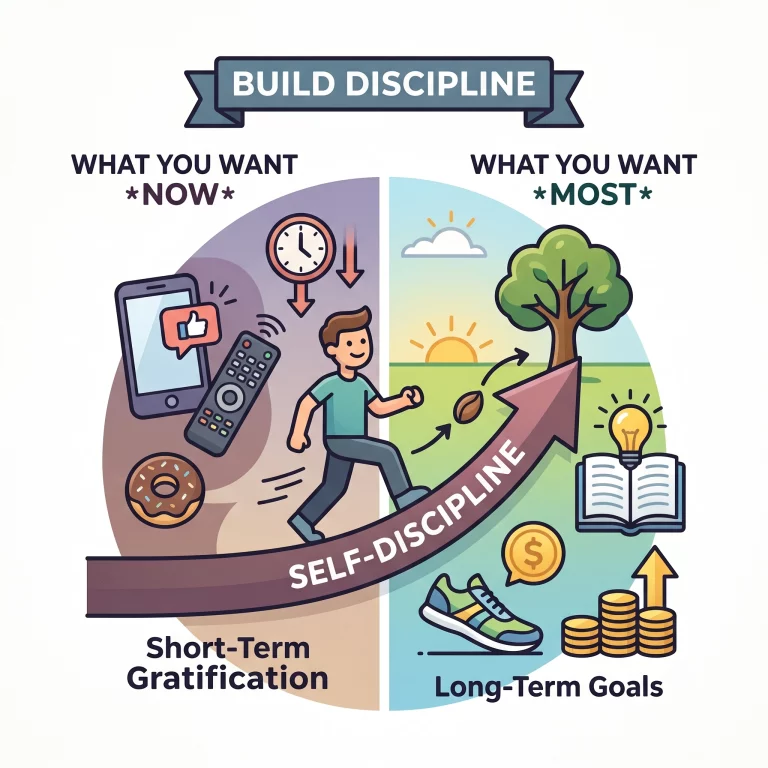
Trying to make drastic changes to your entire morning at once rarely works. Going small actually works the best. Consider your habit of instantly checking your phone. A new morning practice can be introduced, and when that becomes habitual, another can be added, and so on. The same can be said about your night routine. The introduction of Slow, incremental changes tend to last; sweeping ones tend not to.
Keep Refining Your Routine
Having a routine is important, but so is adaptability. If there’s something you do that makes your morning harder and not easier, then you should probably stop doing it. Habits that don’t help you are sure to make your day worse, no matter how organized you think you prepared for it.
Avoid the Trap of Constant Optimization
You don’t need to implement every efficiency hack, app, or system you read about in order to have a good morning. Enjoying coffee and spending a few minutes with music or a book isn’t a waste of time just because it doesn’t fall under the category of ‘productive’. What you want is a morning routine that makes your day easier, and these habits work to not make you feel guilty for not accomplishing more.
A Realistic Morning Routine Example
Let’s take someone who has to leave the house at a certain time everyday. Instead of having a huge routine that wakes them up at 5, they set a wake up time that still leaves them time to sleep, then eat and drink water before they go. It’s a boring routine, but it is effective as it is simple, and not trying to do more.
A routine is just a schedule, and like all schedules, they are flexible. Planning for disruptions helps you avoid the cascading effect of one bad morning. The plan is simply to account for disruptions to prepare quickly. It will take you fewer minutes than it would normally to prepare for the day. You will find the time before work to check your calendar for the day.
How Long Does a Morning Routine Have To Be?
Completely flexible. When preparing for your day, it is important to consider how much sleep you actually need. You may take two hours to get yourself ready, some people can get ready in 30 minutes. Avoid rushing in the mornings. Avoid oversleeping. An hour before you actually need to get up will ruin the quality of your sleep.
What to Do If You Dislike Mornings
Not everyone is blessed with the ability to bounce out of bed with a ton of energy. Focusing on something that you want to work towards and that motivates you to wake up is a healthier option than forcing motivation in the morning. To help motivate yourself in the mornings, take on a new task to keep yourself busy. Hopefully you will begin to appreciate the effects a good morning routine has on boosting productivity for the day.
Conclusion
Simplicity works best with a morning routine. You don’t have to start your day at sunrise to notice the advantages of routine. Ease into self-care and preparing self-care the night before. Add little movements that interest you and decide in what order to check your phone. Prep the night before to decide what to prioritize the next day.
Above all have a routine you can stick to. Better to have a simple working routine than a complicated expect it to work one day. Having your mornings more productive doesn’t mean you need to time manage them. Your aim should be day ready and productive.
Frequently Asked Questions
What Makes a Good Morning Routine?
The start of the day should be routine for staying organized. That can be anything from making sure to drink water, preparing mentally for the tasks of the day, and doing a little movement.
Do You Need to Wake Up Early to Have a Productive Morning?
Waking up early increases the time of the day for productivity. However, it can be draining. Depending on your goals of the day, a productive morning can be at any time of the day.
How Long Should My Morning Routine Be?
A morning routine can consist of many things. There is no limit to how productive your mornings can be.
Should I Use My Phone in the Morning?
There’s no need to completely avoid it. I’d say its best to hold off on social media until you’ve done at least some basic morning chores. After that, go ahead and check it if you want.
How Do I Actually Stick With a Morning Routine?
One large change should not be the goal. Focus on smaller, incremental changes. Ease the routine into your life by preparing as much as you can the night before. The key is to build consistency over the long term, and not over the short term by getting everything perfect everyday.
What Happens If I Mess Up My Routine One Day?
One disrupted morning shouldn’t ruin the rest of your day. The goal is consistency over the long term rather than achieving perfection multiple days in a row.





One Comment