Best Online Novels to Read: A Beginner’s Guide
Finding a good novel online sounds easy until you actually start looking. You open a reading site, see hundreds or even thousands of titles, and suddenly the simple question-“What should I read?”-becomes surprisingly difficult.
For beginners, the problem is rarely a lack of choices. It is having too many. Some stories are short and complete, while others stretch across hundreds or thousands of chapters. Some focus on romance, others on fantasy, mystery, adventure, or everyday life. A title may look interesting from its description but lose your attention after a few chapters. Then there is the issue of unfamiliar genres, confusing story terminology, inconsistent updates, and deciding whether a long series is worth the time.
That is why choosing the best online novels is less about finding one universally perfect story and more about understanding what makes a novel suitable for you.
A good starting point should match your interests, reading habits, and patience for story length. Once you know what to look for, browsing online fiction becomes much less overwhelming.
Before getting into specific choices, though, it helps to understand what online novels actually are and why they can feel different from traditional books.
What Are Online Novels?
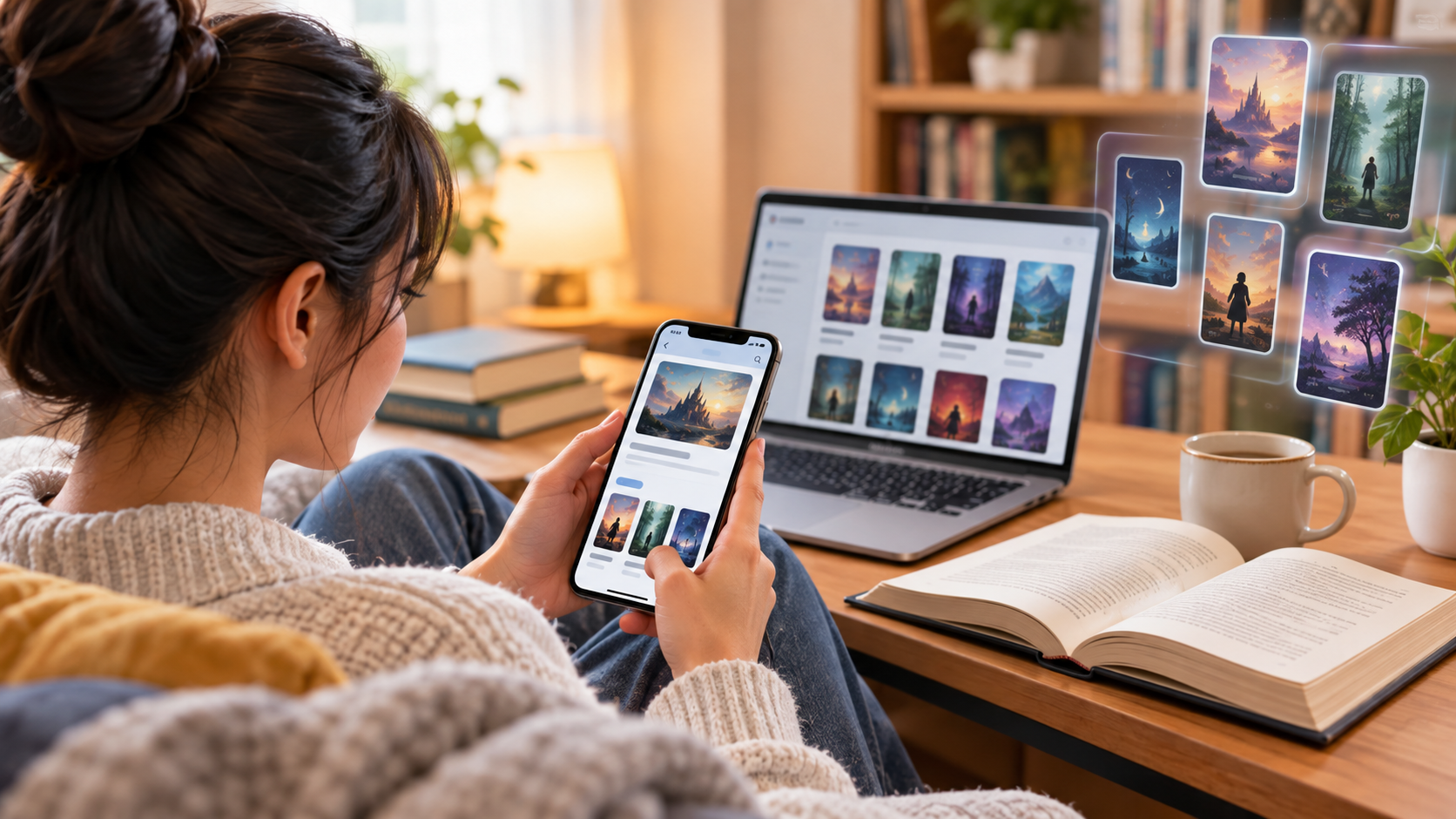
Online novels are fictional stories published and read through the internet rather than being available only as traditionally printed books. Many are released chapter by chapter, allowing readers to follow a story over weeks, months, or even years. Some are completed before readers discover them, while others are still being updated.
The format gives writers considerable room to develop characters and storylines. A traditional novel might have a few hundred pages, while a web novel can continue for hundreds of chapters. This makes online fiction particularly appealing to readers who enjoy becoming deeply involved in a fictional world.
For example, imagine you enjoy fantasy stories about a young character learning magic. Instead of finishing one 300-page book and moving on, you might find an online series that follows the character from their first lesson through years of training, friendships, rivalries, and major adventures.
Online fiction also covers a wide range of genres, including romance, fantasy, mystery, science fiction, action, historical fiction, and slice-of-life stories. Beginner guides to web novels commonly recommend starting with a familiar genre before exploring less familiar styles.
The important thing to remember is that “online novel” describes the format, not the quality or genre. Two online novels can provide completely different reading experiences.
Why Is Finding Good Online Fiction Sometimes Difficult?
Too Many Choices
The biggest problem can actually be having too many options. Large reading platforms may contain stories across numerous genres, lengths, and writing styles.
Imagine searching for a fantasy story and finding hundreds of results. Without knowing what you enjoy, you may spend more time browsing titles than reading one.
This matters because endless choice can make it difficult to commit to a story.
Unfamiliar Genres and Story Styles
Some online fiction uses genre conventions that new readers may not recognize.
For example, Chinese web fiction can include categories such as xianxia, wuxia, xuanhuan, cultivation, and system stories. These terms can be confusing when you encounter them for the first time.
A reader who normally enjoys conventional fantasy might open a cultivation novel without understanding its terminology and assume the story is difficult, when the real problem is simply unfamiliarity with the format.
Very Long Stories
Length is another common concern. Online novels can become much longer than traditional books because they are often published serially.
A reader looking for a quick weekend story may not enjoy discovering that the series has thousands of chapters. Someone who loves long-form storytelling, however, may see the same length as a major advantage.
The important factor is matching the story’s length with your available reading time.
Ongoing Updates
Some novels are complete, while others are still being written. An ongoing story can be exciting because you get to follow new chapters as they appear, but it can also mean waiting for future updates.
For example, someone who prefers reading an entire story in one weekend may become frustrated with an unfinished series.
Choosing Based Only on Popularity
A popular novel is not automatically the right novel for every reader.
A story may have a huge following because it appeals strongly to fans of a particular genre or trope. If you prefer mystery but choose a popular action series simply because everyone talks about it, you may not enjoy it as much.
Popularity can be useful information, but personal taste still matters.
Best Ways to Find Online Novels You’ll Actually Enjoy
1. Start With a Genre You Already Like
The easiest starting point is usually the genre you already enjoy.
If you spend your free time watching fantasy movies, fantasy novels may be a natural introduction. If you prefer romantic dramas, romance fiction may feel more familiar. Someone who enjoys detective shows might prefer mystery stories.
This works because you already understand the basic appeal of the genre. You are learning the online reading format without simultaneously having to learn an entirely new type of story.
For example, a reader who enjoys video games might naturally enjoy LitRPG or progression-focused fiction because these stories can use familiar ideas such as levels, skills, quests, and character progression.
Common mistake: Choosing a genre simply because it is popular.
Better approach: Start with something you already enjoy, then experiment once you become comfortable.
2. Read the Description Before Starting
A novel’s description can tell you a lot in a few paragraphs.
Look for the central character, basic setting, main conflict, and overall tone. You do not need to understand every detail. The goal is simply to determine whether the premise sounds interesting.
Suppose a description says the story follows an ordinary student who discovers a hidden magical world. If you enjoy coming-of-age fantasy, that basic premise may immediately appeal to you.
On the other hand, if you dislike stories involving magic, the description can save you from spending an hour on something that was never a good match.
Common mistake: Choosing a story because the title or cover looks impressive.
Better approach: Give the description enough attention to understand what you are actually getting into.
3. Check Whether the Story Is Complete
Before investing in a long series, check its status.
A completed novel can be a good choice if you want to read from beginning to end without waiting. An ongoing novel may be better if you enjoy following new chapters and discussing developments while the story is still being written.
Neither option is automatically better.
For instance, imagine that you have a week-long holiday and want something you can finish during that time. A completed story with a manageable chapter count may fit your plans better than a massive ongoing series.
Common mistake: Ignoring the completion status until you are deeply invested.
Better approach: Check whether the story is completed, ongoing, or regularly updated before starting.
4. Consider the Length Before You Commit
Length should match your reading habits.
A 1,500-chapter story might sound intimidating, but it can be perfect for someone who reads a few chapters every evening. The same story could feel exhausting to someone who prefers short novels.
Try thinking about your reading time realistically.
If you usually read for 20 minutes before bed, a long-running series can provide months of entertainment. If you want something to finish quickly, look for a shorter story.
Common mistake: Assuming a longer novel is automatically better because it offers more content.
Better approach: Choose a length that fits your schedule.
5. Try the First Few Chapters Before Committing
You do not need to finish a novel simply because you started it.
Read the opening chapters and pay attention to whether you enjoy the writing, characters, pacing, and basic premise. A few chapters can often tell you whether the author’s style works for you.
For example, you might discover that you love the story idea but find the pacing too slow. Another novel may have a simple premise but immediately make you curious about what happens next.
Some beginner guides recommend reading the first two or three chapters and trusting your reaction rather than forcing yourself through a story you do not enjoy.
Common mistake: Continuing for dozens of chapters because you feel you have already invested too much time.
Better approach: Give promising stories a fair chance, but allow yourself to stop when the experience is clearly not enjoyable.
6. Pay Attention to Reader Reviews
Reviews can provide useful clues that a short description does not.
Readers may mention whether a story starts slowly, contains complicated terminology, has strong character development, or becomes repetitive later.
However, do not treat every review as fact. One reader’s biggest complaint might be another reader’s favorite feature.
Imagine a review saying, “The story takes a long time to build.” If you enjoy slow-burn storytelling, that may actually be a positive sign.
Common mistake: Looking only at the star rating.
Better approach: Read several comments and look for repeated patterns.
Tags can help narrow down a huge catalog.
If you know you enjoy romance mixed with fantasy, for example, relevant genre and theme tags can help you find stories with that combination. Online novel guides commonly use genre and trope categories to help readers discover stories based on specific interests.
But tags should be treated as clues rather than guarantees.
A story tagged “mystery” may have only a small mystery element, while another may revolve entirely around solving crimes.
Common mistake: Selecting a story based on one attractive tag without checking the rest of the description.
Better approach: Use several relevant tags together and then read the synopsis.
8. Match the Novel to Your Available Time
Think about when and where you normally read.
Someone who reads during a daily commute may prefer a story that is easy to follow in short sessions. A reader who spends two hours reading every weekend may be comfortable with more complicated plots and longer chapters.
This simple consideration can make a surprisingly big difference.
For example, if you frequently get interrupted while reading, a story with a straightforward plot may be easier to enjoy than one with dozens of characters and multiple timelines.
Common mistake: Choosing a complicated story when your reading environment is constantly distracting.
Better approach: Match the complexity of the novel to your actual reading situation.
9. Explore Different Styles After Finding Your Comfort Zone
Once you know what you enjoy, experiment.
A fantasy reader might try historical fiction. Someone who normally reads romance might try a mystery with a strong relationship subplot. A fan of action stories might discover that progression fantasy provides the long-term character growth they enjoy.
The goal is not to stay inside one genre forever. Starting with familiar material simply gives you a comfortable foundation.
Common mistake: Assuming you will only enjoy one type of story.
Better approach: Explore gradually instead of randomly jumping between completely different genres.
Expert Tips
1. Look Beyond the First Impression
A dramatic title or attractive cover can get your attention, but the actual reading experience matters more. Check the synopsis, chapter structure, reviews, and genre before deciding.
2. Notice Repeated Reader Complaints
One negative review may reflect personal taste. If dozens of readers independently mention the same issue, however, it is worth considering.
For example, repeated comments about extremely slow pacing may matter if you prefer fast-moving stories.
3. Don’t Confuse Length With Quality
A story with 2,000 chapters has more room for development, but length alone does not guarantee a satisfying experience. A shorter novel can have a tighter plot and stronger pacing.
4. Keep Your Own Reading List Small
It is tempting to bookmark dozens of stories. The result is often a huge list that you never actually read.
Keeping a short list of current, planned, and finished novels makes your reading habits easier to manage.
5. Give Yourself Permission to Drop a Story
Experienced readers know that abandoning a novel is not failure.
If you have given a story a reasonable chance and it consistently feels like work, move on. Your reading time is limited, so it makes sense to spend it on stories that genuinely interest you.
Common Mistakes to Avoid
- Choosing only by popularity: A popular story may not match your personal interests. Check the genre and description first.
- Ignoring the story length: Starting a massive series when you only want a quick read can lead to frustration. Consider your available time.
- Skipping the synopsis: The title alone rarely tells you enough about the story. Read the description before committing.
- Trusting one review completely: Reviews reflect individual preferences. Look for patterns across several opinions.
- Ignoring completion status: If you dislike waiting for updates, check whether the novel is finished before starting.
- Forcing yourself to finish everything: Reading should be enjoyable. If a story clearly is not working for you, it is reasonable to move on.
- Using too many tags at once: An overly narrow search can hide stories you might otherwise enjoy. Start broad and refine gradually.
- Judging a whole genre from one bad experience: One disappointing fantasy or romance novel does not necessarily mean you dislike the entire genre.
Pros and Cons of Reading Online Novels
Pros
- Huge variety: Online platforms offer stories across many genres and styles.
- Easy access: You can often read from a phone, tablet, or computer.
- Long-running stories: Readers who enjoy immersive worlds can find stories with hundreds or thousands of chapters.
- Frequent discoveries: Online catalogs make it easy to explore unfamiliar authors and genres.
- Different reading formats: You can choose between completed stories and ongoing serials.
- Community interaction: Some platforms allow readers to comment, review, and discuss chapters.
Cons
- Too much choice: Large catalogs can make finding a suitable story difficult.
- Inconsistent quality: Online fiction varies widely in writing quality, editing, pacing, and storytelling.
- Very long series: Some readers may find extremely long stories difficult to finish.
- Ongoing releases: Unfinished stories require readers to wait for future chapters.
- Different platform rules: Reading costs, advertisements, access limits, and features can vary.
- Genre conventions can be unfamiliar: New readers may need time to understand certain terms or storytelling styles.
Frequently Asked Questions
What should I read first if I have never read an online novel?
Start with a genre you already enjoy in books, movies, games, or television. Familiar themes make it easier to adjust to the online format. If you enjoy fantasy films, for example, try an approachable fantasy story. If you prefer relationship-focused dramas, romance may be a natural starting point. Reading the description and a few opening chapters can then help you decide whether the writing style suits you.
Are online novels usually free to read?
It depends on the platform and individual story. Some online fiction can be read freely, while other platforms use advertisements, subscriptions, credits, or paid chapters. Some services also provide a mixture of free and paid content. Before starting a long series, check how access works so you understand whether the entire story is available under the platform’s current reading model.
How long are online novels?
There is no standard length. Some online stories are relatively short, while others continue for hundreds or thousands of chapters. Serialized fiction can become particularly long because authors have more room to develop characters and storylines over time. If you are new to the format, checking the current chapter count before starting can help you choose something that matches the amount of time you want to spend reading.
Should beginners start with completed novels?
Completed novels can be convenient for beginners because the entire story is available without waiting for new chapters. However, ongoing stories can also be enjoyable if you like following updates and discussing new developments. Your choice depends mainly on your reading habits. If you prefer uninterrupted binge-reading, completion status may be especially important when selecting your first few online novels.
How can I tell if an online novel is worth reading?
There is no single test, but several clues can help. Read the synopsis, check the genre and tags, look at reader feedback, and try the opening chapters. Pay attention to whether the characters interest you and whether you want to know what happens next. A novel does not need to be universally popular to be worth reading; it simply needs to match what you enjoy.
What is the difference between a web novel and an ebook?
The main difference is how they are typically published and experienced. A web novel is often released online in individual chapters and may continue while the author is writing it. An ebook is usually distributed as a complete digital book, although publishing formats vary. Web novels can also be much longer and may encourage ongoing interaction between authors and readers.
Why do some online novels have hundreds of chapters?
Online novels often use serialized storytelling, which gives authors room to continue a story over a long period. Characters can develop gradually, new conflicts can appear, and fictional worlds can become increasingly detailed. Readers who enjoy spending a long time with the same characters may appreciate this format. For others, the sheer length can feel overwhelming, which is why checking chapter counts is useful.
What does “ongoing” mean on a novel website?
An ongoing novel is a story that has not yet finished and is still receiving new chapters or is expected to continue. The exact update schedule varies by author and platform. Some stories receive frequent updates, while others may have irregular releases. If you prefer to read a complete story without interruptions, you may want to look specifically for novels marked as completed.
Can I stop reading an online novel if I don’t like it?
Absolutely. There is no requirement to finish every story you start. Your time is better spent reading something you genuinely enjoy. If the premise stops interesting you, the pacing feels wrong, or the characters do not hold your attention after a reasonable trial, it is perfectly acceptable to move on. You can always return later if your interests change.
How do I find novels similar to one I already enjoyed?
Start by identifying what you liked about the original story. It might have been the genre, character type, setting, relationship, progression system, mystery, or overall tone. Then use those characteristics as search terms or browse related tags and categories. Similar-novel recommendations can be useful, but comparing the actual descriptions and opening chapters will help you determine whether another story truly matches your preferences.
Conclusion
Finding a good online novel does not have to mean scrolling endlessly through hundreds of titles and hoping something works. The easier approach is to understand your own reading preferences first.
Start with genres and themes you already enjoy. Check the description, completion status, length, tags, and reader feedback before committing to a long story. Most importantly, give yourself permission to try something and move on if it does not hold your attention.
There is also no single definition of the perfect online novel. One reader may want a short completed mystery, while another may happily spend months following a fantasy series with thousands of chapters. Both choices can be right for the people making them.
The real goal is to find stories that fit your interests and reading habits. Once you stop trying to find the universally “best” story and start looking for the right match, exploring online fiction becomes much more enjoyable-and a lot less overwhelming.